

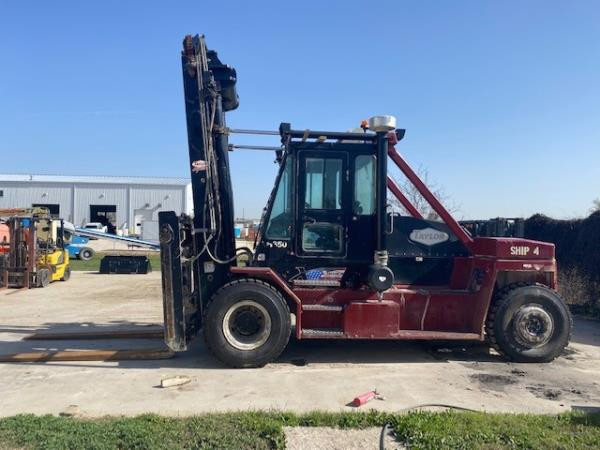
Make: TAYLOR
Model: TXH350L
Year: 2016

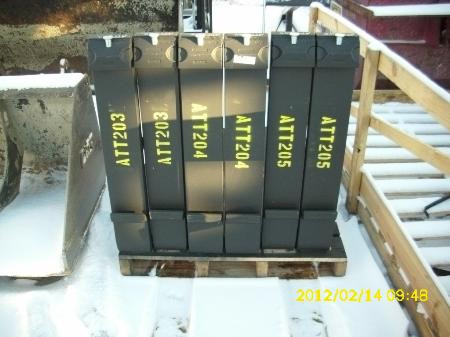
Make: Manitou
Model: 48" Forks
Year: 2012
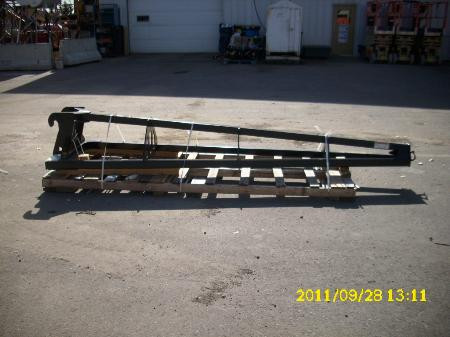
Make: JLG
Model: Truss Jib 12'
Year: 2011
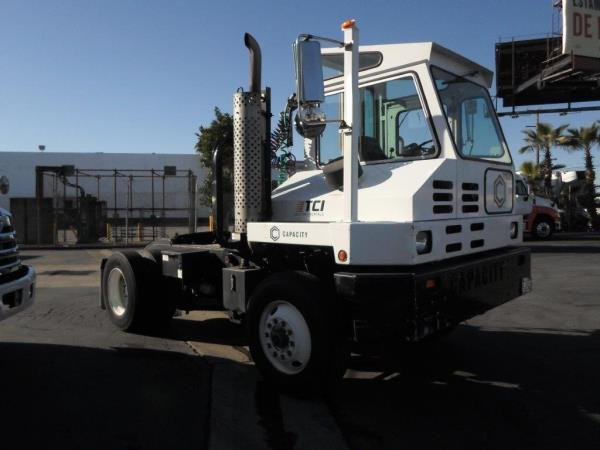
Make: Capacity
Model: TJ5000 DOT
Year: 2010
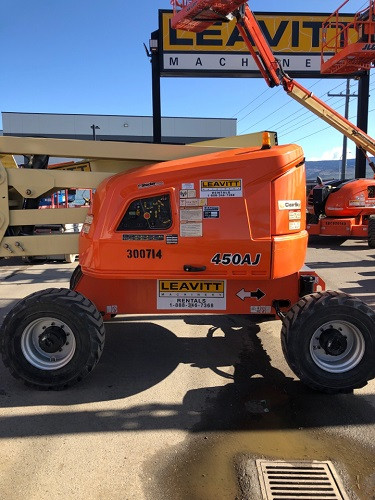
Make: JLG
Model: 450AJ
Year: 2016

Make: FrostFighter
Model: IDF350
Year: 2015
JCB Aerial Lifts Austin
Aerial Work Platforms
The AWP or aerial work platform is a machinery engineered and designed to raise workers and gear to a certain height for the completion of jobs. The kind of machine varies with the specific brand and model. Before aerial work platforms were developed, all jobs needing work at high levels had to be done with scaffolding. Thus, the invention of aerial work platforms has kept many workers safe and increased the overall productivity of similar jobs.
There are 3 key kinds of aerial work platforms. They are mechanical lifts, scissorlifts and boomlifts. These types of machines could be operated with pneumatics, mechanically making use of a pinion and rack system or with screws or by hydraulics. These models may be self-propelled with controls located at the platform, they may be unpowered models requiring an external force to move them or be mounted to a vehicle so as to be transported.
John L. Grove was an American industrialist and inventor who is widely credited to developing the aerial work platform. Nevertheless, in 1966, before the first model of JLG, a company called Selma Manlift launched an aerial lift model.
John L. Grove along with his wife decided to take a road trip during 1967. This was after selling his previous business Grove Manufacturing. They opted to stop at Hoover Dam. While the couple was there, Grove unfortunately witnessed 2 employees electrocuted while they were working on scaffolding. This tragic event led John Grove to discover an untapped market for a new product which could safely raise employees in the air for them to perform maintenance and construction tasks in a better way.
John bought a small metal fabrication company and formed a partnership along with 2 friends, when he returned home from his trip. The small business immediately started designing ideas for the aerial work platform. The new company was called JLG Industries Inc. They proudly launched their first aerial work platform during 1970 with the aid of 20 workers.
- Nissan Double Reach Forklifts Austin
Narrow aisle trucks or reach trucks have become more common due to their ability to lessen their aisle count and floor space needs. These types of machinery have a trade-off; the need is for highly... More - Genie Aerial Lifts Austin
The Genie AWP Super Series aerial work platforms are a top favorite in the business because of their ease of use, flexibility and convenience. Their tough design and lightweight maneuverability make them an extremely versatile... More - Caterpillar High Capacity Forklifts Austin
Forklift Motors Purchasing a forklift is not to be taken lightly. A forklift is a big capital expenditure, and a complex machinery with a motor strong enough to perform heavy-lifting jobs. The price tag for... More - Raymond Double Reach Forklifts Austin
Raymond offers excellent forklifts and attachments specifically designed for the food processing industry. This business is amongst the busiest industries within our current world's infrastructure. To be able to handle the diversity in the food... More - Genie Boom Lifts Austin
There are truly many reasons to pick Genie for your lift equipment needs. Genie provides top-of-the-industry items, support, and service to help you with all of your equipment needs. Genie is committed to making your... More